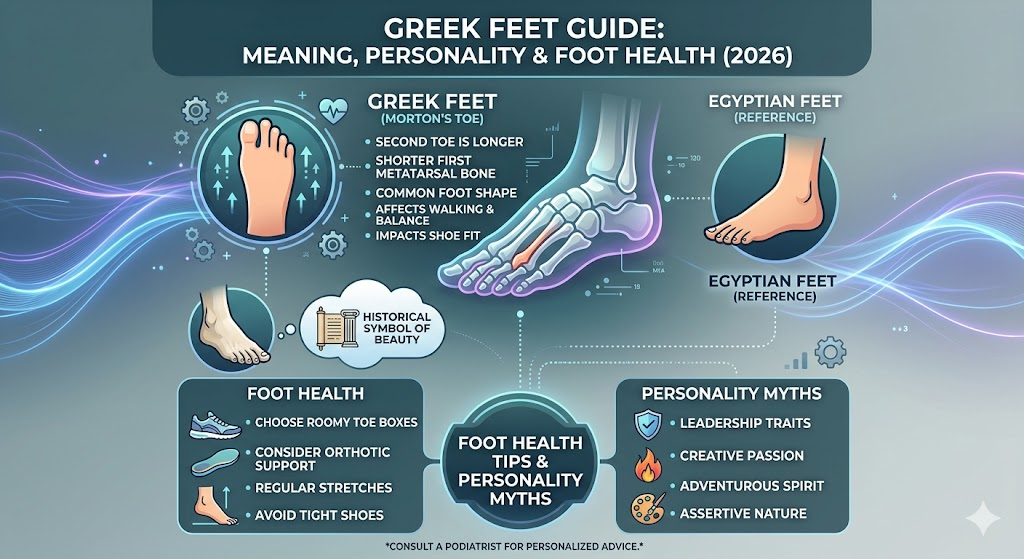
Have you ever looked down at your toes and noticed that your second toe is longer than your big toe? If so, you have what people call greek feet. This unique foot shape is actually very common and has been admired for thousands of years. In the world of art and history, this specific look was considered the standard of beauty. Many famous statues from ancient times show figures with this exact toe arrangement. It is not just about looks, though. There is a whole world of science and interesting myths behind why some people have this shape while others do not.
When we talk about greek feet, we are looking at a skeletal structure where the first metatarsal bone is shorter than the second. This makes the second toe poke out further. While it might seem like a small detail, it changes how you walk, how you balance, and even how your shoes fit. In this guide, we will explore everything from the history of this foot shape to the best ways to keep your feet feeling great every single day.
The History and Art of the Flame Foot
The term greek feet comes from the fact that ancient Greek sculptors loved this shape. If you look at the Statue of Liberty or the works of Michelangelo, you will see that the second toe is longer. Back then, it was called the “Flame Foot” because it looked elegant and powerful. The Greeks believed that this physical trait showed intelligence and leadership qualities. They used it in their art to represent gods and heroes, making it a symbol of high status and physical perfection.
Even today, we see this influence in modern design. Many people still find this foot shape to be very attractive because of its historical ties to classic beauty. However, back in the day, they didn’t have to worry about tight sneakers or high heels. They wore open sandals which were perfect for this toe alignment. Understanding the history helps us appreciate why so many people are curious about their heritage when they realize they have greek feet. It is like carrying a piece of ancient history right at the end of your legs.
Understanding the Science: Morton’s Toe
In the medical world, greek feet are known as Morton’s toe. It is named after Dudley Morton, a doctor who studied this in the early 20th century. It is not a “deformity” or something to be scared of. It is simply a natural variation in the human skeleton. About 20% to 30% of the population has this trait. It is usually passed down through families, so if you have it, there is a good chance your parents or grandparents do too. The science shows that it is all about the length of the bones inside your foot, not just the flesh of the toe itself.
Having greek feet means your weight is distributed differently when you stand or run. Because the second toe is longer, it takes on more pressure than it normally would. This can sometimes lead to calluses or a bit of soreness if you are not wearing the right footwear. Scientists have studied how this affects athletes and runners specifically. Knowing the anatomy of your foot helps you make better choices for your physical health and long-term comfort.
Common Foot Shapes Comparison
To understand your own body, it helps to see how you compare to others. Most people have either Egyptian, Roman, or greek feet. The Egyptian foot is the most common, where the big toe is the longest and the others taper down like a staircase. The Roman foot has the first three toes at almost the exact same length, giving it a square look. Then there is the Greek version, where that second toe stands out as the leader of the pack.
| Foot Type | Longest Toe | Visual Shape | Common Trait |
| Greek Feet | Second Toe | Pointed/Tapered | Athletic & Creative |
| Egyptian Feet | Big Toe | Slanting | Practical & Private |
| Roman Feet | First Three Toes | Square/Wide | Social & Outgoing |
| Square Feet | All Toes Equal | Rectangular | Reliable & Calm |
Each of these shapes has its own story. People with greek feet often find that they have a harder time finding shoes that don’t pinch the tip of that second toe. By looking at a table like this, you can quickly identify your type. It is a fun way to learn about human diversity and how our bodies are built differently to handle the world around us.
Personality Traits and Fun Myths
There are many fun myths about what greek feet say about who you are as a person. Many folks believe that people with this foot shape are natural leaders. They are often described as being very creative, energetic, and sometimes a little bit bossy! Because the “leader” toe is sticking out, the legend says the person is meant to take charge. While there is no hard science to prove that your toes dictate your personality, it is a popular topic in “podomancy” or foot reading.
I once knew a friend who was a talented artist and a great team captain. When she realized she had greek feet, she laughed and said it finally explained why she always wanted to be in control of projects. Whether you believe the myths or not, it adds a layer of personality to your physical self. People with this shape are often seen as “movers and shakers” who love to stay active. It is a great conversation starter at the beach or the pool!
Choosing the Best Shoes for Comfort
Finding the right shoes is the most important task for someone with greek feet. Most shoe brands are designed for the Egyptian foot shape, where the big toe is the longest. This means the front of the shoe often curves inward too early. If you have a long second toe, it might get cramped or bent inside the shoe. This can cause discomfort over a long day of walking. You should always look for shoes with a “wide toe box” to give your toes plenty of room to wiggle.
When I go shoe shopping, I always suggest going half a size up if the front of the shoe is narrow. For those with greek feet, pointed-toe shoes can be a real nightmare. Instead, look for rounded or square-toe styles. This ensures that your second toe isn’t being pushed back, which prevents long-term issues like hammer toes. Comfort should always come before fashion, but luckily, many modern brands now make stylish shoes that cater to different foot shapes.
Why Your Second Toe Might Get Sore
If you have greek feet, you might notice that the tip of your second toe gets red or sore. This usually happens because it is hitting the front of your shoe. Over time, the skin might get thick and form a callus. This is your body’s way of protecting itself, but it can be annoying. Another common issue is “Metatarsalgia,” which is just a fancy word for pain in the ball of the foot. Since the weight is shifted toward the middle of the foot, that area can get tired.
To fix this, you can use small silicone toe protectors or cushioned insoles. These simple tools help spread the pressure more evenly across your whole foot. If you are a runner with greek feet, pay close attention to your sneakers. You want a pair that has extra cushioning under the forefoot. Taking care of these small aches now will keep your feet healthy and strong as you get older.
Famous People and Statues with This Shape
It is fun to see who else shares your physical traits! As we mentioned, the Statue of Liberty has greek feet. If you look closely at her toes, that second one is clearly longer. Many famous athletes also have this shape. It is often linked to people who are good at sports that require quick movements and agility. In Hollywood, several famous actresses have been spotted with this foot type on the red carpet, showing that it is a perfectly normal and common feature.
Knowing that icons and historical masterpieces share this trait can make you feel more confident. Having greek feet isn’t a flaw; it is a classic feature that has been celebrated in museums for centuries. Next time you visit an art gallery, take a look at the marble statues. You will be surprised at how many “heroes” are standing there with the same toe shape as you. It is a small link to the artistic past of humanity.
Tips for Foot Care and Maintenance
Taking care of greek feet is easy if you follow a few simple steps. First, keep your toenails trimmed straight across. This prevents the longer second toe from getting ingrown nails. Second, use a pumice stone to gently smooth any calluses that form on the tip of the second toe or the ball of the foot. Moisturizing your feet every night keeps the skin soft and prevents painful cracking. It only takes a few minutes, but it makes a huge difference.
Another great tip is to stretch your toes. Since people with greek feet often have their toes cramped in shoes, spending time barefoot can help. Try picking up a marble with your toes or spreading them wide apart while sitting on the couch. This keeps the muscles flexible and strong. Giving your feet a little “breathing room” at the end of the day is the best reward you can give them for carrying you around.
When to See a Podiatrist
Most people with greek feet will never have a serious problem. However, if you start to feel sharp pain that doesn’t go away, it might be time to visit a foot doctor (podiatrist). They can look at how you walk and see if you need special inserts called orthotics. These inserts sit inside your shoe and help balance your weight perfectly. This is especially helpful if you find yourself getting frequent blisters or if your second toe starts to curl downward.
Don’t wait until the pain is bad to seek advice. A quick check-up can give you peace of mind and better comfort. Podiatrists see greek feet every single day, so they know exactly how to help. They can recommend specific brands of shoes or simple exercises to keep your arches high and your toes straight. Investing in your foot health is one of the smartest things you can do for your overall well-being.
Conclusion
In conclusion, having greek feet is a unique and historical trait that you should be proud of. From the statues of ancient Greece to the modern shoes on your feet, this shape has a long and interesting story. While it does require a little bit of extra care when picking out footwear, it is a natural and common part of human biology. By choosing the right shoes and keeping up with basic foot care, you can stay active and pain-free.
Remember that every foot is different, and that is what makes us special. Whether your second toe is long or short, the goal is to keep your feet healthy so they can take you on many adventures. If you have greek feet, you are in great company with gods, heroes, and millions of people around the world. Stay comfortable, keep walking, and enjoy the unique stride that your special foot shape gives you!
Frequently Asked Questions
1. Is having Greek feet a bad thing?
Not at all! It is a very common and natural foot shape. Many people have it, and it was even considered a sign of beauty in ancient times. As long as your shoes fit well, it won’t cause any problems.
2. Why is my second toe longer than my big toe?
This is caused by a shorter first metatarsal bone in your foot. It is usually something you are born with and is passed down through your genes from your parents.
3. Does this foot shape mean I am a leader?
While there is no scientific proof, many myths and legends suggest that people with this shape have leadership qualities and high energy. It’s a fun way to think about your personality!
4. What are the best shoes for someone with this foot type?
Look for shoes with a wide or rounded toe box. Avoid narrow, pointy shoes that might squish your second toe. Buying shoes that are a tiny bit longer can also help.
5. Can I fix my toes if they hurt?
Yes! You can use cushioned insoles or toe protectors to help with the pressure. If the pain continues, a podiatrist can provide custom inserts to make walking much more comfortable.
6. Is the Statue of Liberty’s foot really Greek?
Yes! The sculptor followed the classical standards of beauty from ancient Greece, which included a longer second toe. You can see it clearly if you look at photos of her feet!