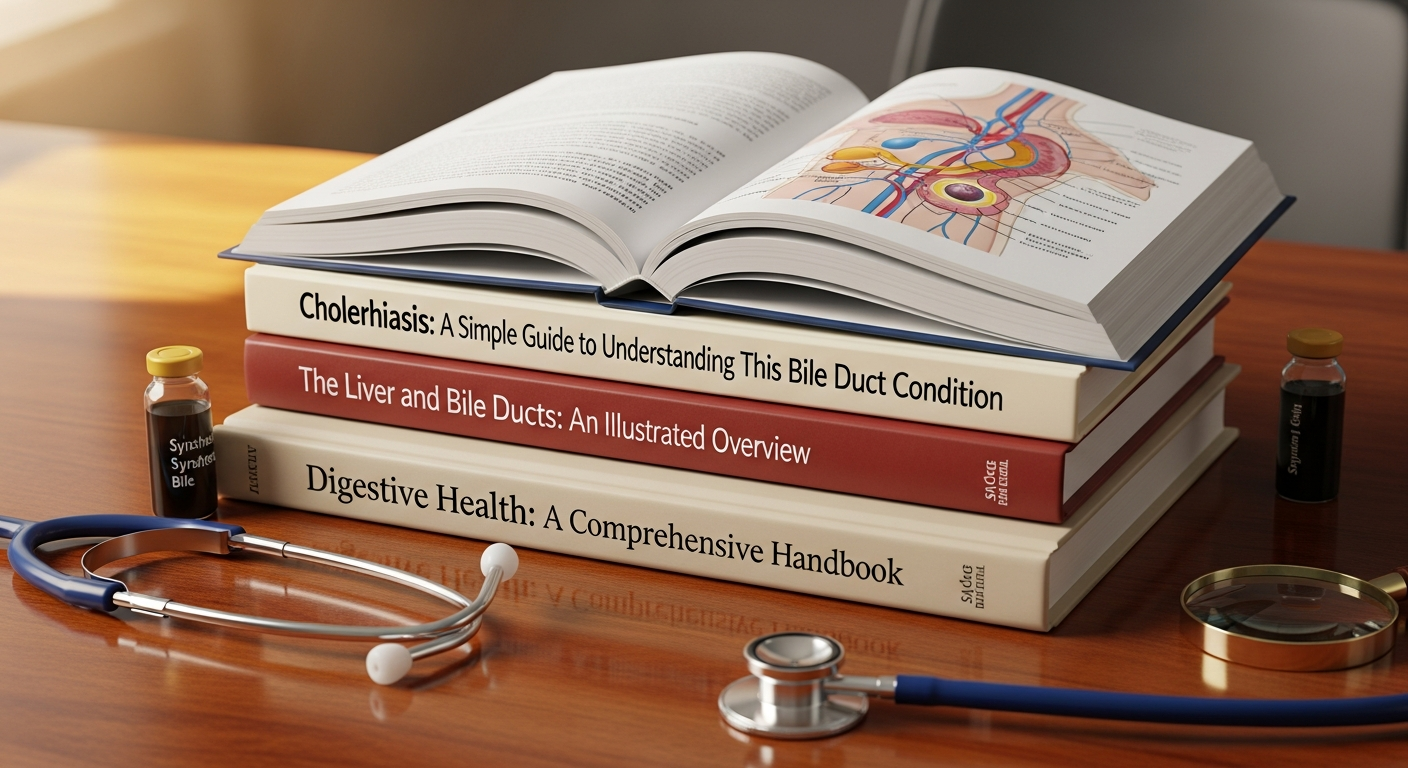
Cholerhiasis is a health problem that many people have never heard about. Still, it can affect daily life if ignored. This condition happens when stones form inside the bile ducts. These ducts help move bile from the liver to the intestine. When stones block this path, the body cannot digest food properly. Pain and sickness can follow.
Many people confuse cholerhiasis with gallstones. They are related, but not the same. Gallstones form in the gallbladder. Cholerhiasis happens when stones appear or get stuck in the bile ducts. Doctors take this condition seriously because blockages can cause infections.
I have seen people delay care because symptoms felt small at first. That delay often makes the problem worse. Learning early signs helps avoid stress and hospital visits. This guide explains everything in simple words. You will learn causes, symptoms, tests, treatments, and prevention tips.
What Is Cholerhiasis?
Cholerhiasis is a condition where stones are found in the bile ducts. These stones are usually made of hardened bile. Bile is a yellow-green liquid that helps digest fats. When bile hardens, stones can form and cause blockages.
The bile ducts act like tiny pipes. They carry bile from the liver and gallbladder to the intestine. When stones block these ducts, bile cannot flow well. This causes pressure, pain, and swelling. Over time, infection may develop.
Many cases of cholerhiasis begin with gallstones. Stones move from the gallbladder into the bile ducts. Some stones may also form directly inside the ducts. Doctors use scans to confirm where stones are located.
This condition does not always cause pain at first. Some people feel fine until a blockage worsens. That is why learning about cholerhiasis early is very important.
What Causes Cholerhiasis?
Cholerhiasis usually happens when bile becomes too thick. Thick bile forms crystals that slowly turn into stones. These stones then block the bile ducts. This process can take months or years.
Poor diet plays a big role. Eating too much fatty food stresses the bile system. Rapid weight loss can also change bile balance. Some people inherit a higher risk due to family history.
Gallbladder problems often lead to cholerhiasis. Stones may slip from the gallbladder into bile ducts. Infections and liver disease can also increase risk.
Age matters too. Older adults face higher chances. Women are slightly more at risk due to hormone changes. Understanding these causes helps people make safer health choices.
Common Symptoms of Cholerhiasis
Symptoms of cholerhiasis may start mild. Many people feel stomach discomfort after meals. Pain often appears on the right side of the belly. It may spread to the back or shoulder.
Nausea and vomiting are common signs. Some people feel tired without reason. Fever may appear if infection starts. Yellow skin or eyes signal bile blockage and need urgent care.
Urine may turn dark, and stools may become pale. These changes happen when bile flow is blocked. Digestion becomes poor, leading to bloating.
I’ve noticed people often ignore early pain. That choice causes longer recovery later. Any repeating stomach pain should be checked early.
How Cholerhiasis Is Diagnosed
Doctors start with a physical exam. They ask about pain, diet, and past gallbladder issues. Blood tests show if bile flow is blocked or infection exists.
Ultrasound is often the first imaging test. It helps find stones in bile ducts. MRI scans give clearer images if needed. These tests are painless and safe.
Sometimes doctors use ERCP. This test uses a camera to see inside ducts. It can find and remove stones at the same time. That makes treatment faster.
Early diagnosis of cholerhiasis reduces serious risks. Testing helps doctors plan the best care quickly.
Treatment Options for Cholerhiasis
Treatment depends on stone size and symptoms. Small stones may pass naturally. Doctors may suggest pain control and observation first.
ERCP is a common treatment method. It removes stones without major surgery. Many patients go home the same day. This method is safe and effective.
Surgery may be needed if stones return often. Gallbladder removal prevents future problems. Antibiotics treat infections if present.
Lifestyle changes support healing. Healthy eating helps bile flow better. With proper care, most people recover fully from cholerhiasis.
Possible Complications If Untreated
Ignoring cholerhiasis can cause serious harm. Blocked bile leads to liver damage. Infections can spread fast inside the body.
Pancreatitis is a painful complication. It happens when bile affects the pancreas. This condition often needs hospital care.
Long-term blockage causes scarring in bile ducts. This makes future treatment harder. Severe cases may become life-threatening.
I always advise early action. Small symptoms often hide big problems. Timely care saves pain, money, and stress.
How to Prevent Cholerhiasis Naturally
Prevention starts with diet. Eat fruits, vegetables, and fiber-rich foods. Reduce fried and oily meals.
Drink enough water daily. Water helps bile stay thin. Regular exercise supports digestion and liver health.
Avoid crash dieting or rapid weight loss. Slow weight changes protect bile balance. Manage cholesterol levels carefully.
Regular health checkups help catch early signs. Prevention is always easier than treatment.
Living With Cholerhiasis
Living with cholerhiasis can feel scary at first. Many people worry about pain returning. Good news is recovery is usually smooth.
Follow doctor advice closely. Eat smaller meals and avoid fatty foods. Watch symptoms and report changes early.
Most people return to normal life after treatment. Staying informed builds confidence. Knowledge removes fear.
Support from family helps recovery. You are not alone in this journey.
When to See a Doctor
See a doctor if pain lasts more than a day. Fever or yellow skin needs urgent care.
Repeated nausea or vomiting should not be ignored. Early visits prevent serious outcomes.
Trust your body signals. Seeking help early makes treatment easier and safer.
FAQs About Cholerhiasis
1. Is cholerhiasis the same as gallstones?
No. Gallstones form in the gallbladder. Cholerhiasis affects bile ducts.
2. Can cholerhiasis go away on its own?
Small stones may pass. Many cases need medical treatment.
3. Is cholerhiasis dangerous?
Yes, if untreated. Early care reduces risk.
4. What foods should I avoid?
Avoid fried, fatty, and processed foods.
5. Can children get cholerhiasis?
It is rare but possible.
6. Does cholerhiasis come back?
It can, especially without lifestyle changes.
Final Thoughts on Cholerhiasis
Cholerhiasis may sound complex, but it is manageable. Early signs are easy to miss. Learning about them protects your health.
With proper care, recovery is strong and lasting. Simple lifestyle changes make a big difference. Never ignore ongoing stomach pain.